
Your house was built in 1948. The furnace in the basement is oil, the wiring’s been touched maybe twice since the Diefenbaker years, and every contractor who’s walked through has a different opinion about whether a heat pump will even work here. That uncertainty is the single biggest reason older Halifax homeowners put this decision off longer than they should.
Here’s the direct answer: yes,
heat pumps in Halifax work well in older homes, including the century-plus ones scattered across the peninsula. But the installation conversation looks different than it does for a 2015 subdivision build, and knowing what to expect ahead of time saves you from surprises halfway through the job.
Why Older Homes Aren’t a Simple Swap
A lot of Halifax’s older housing stock, especially in the south end, north end, and around the Hydrostone, was built decades before central heating even existed as we know it. Oil furnaces got added later, often with ductwork retrofitted awkwardly into whatever space was available. That history matters. Before any heat pump installation Halifax contractor should touch your walls, they need to actually look at your electrical panel. A lot of these homes are still running 60 or 100 amp service, and a heat pump typically needs more headroom than that. Panel upgrades aren’t rare on older jobs. They’re closer to routine.
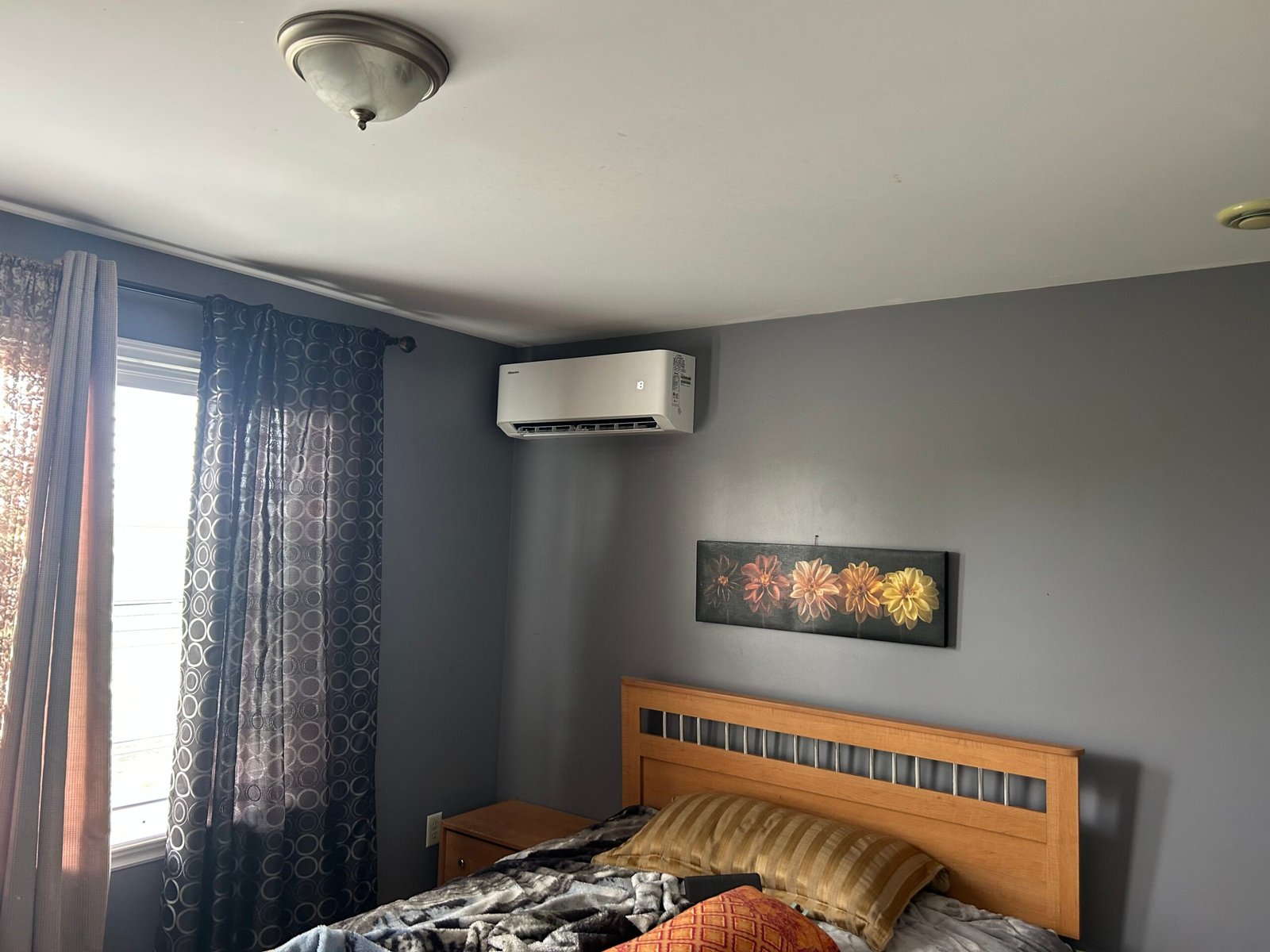
Insulation is the other piece nobody wants to talk about upfront. Balloon-framed walls, minimal attic insulation, single-pane windows in some cases — none of that is a dealbreaker, but it changes how the system gets sized. A heat pump sized for a well-insulated 2020 build won’t perform the same way dropped into a drafty 1948 rowhouse. Getting that math right, based on your actual home rather than its square footage on paper, is what separates a heat pump that coasts through February from one that leaves you cold and frustrated.
Ductless or Ducted? It Depends on What’s Already There
If your oil furnace ran through existing ductwork, you’re in a decent position. Central ducted systems can often reuse that infrastructure, which keeps costs down and installation time shorter. If your home was ever heated by radiators or standalone units, though, running new ductwork through century-old plaster walls gets expensive and invasive fast. That’s usually where ductless mini-split systems make more sense instead, zone by zone, without tearing into walls that have survived this long for a reason.
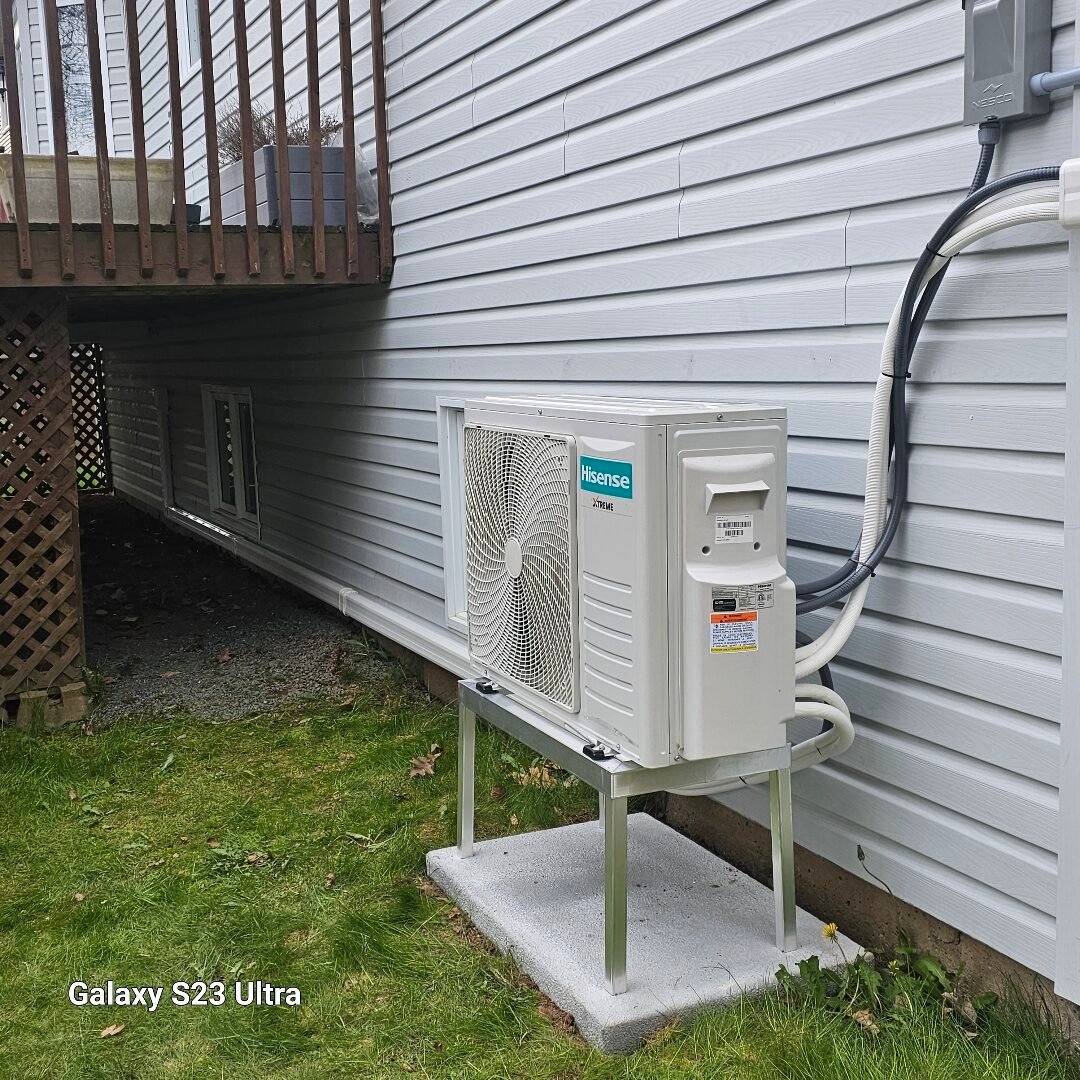
Neither option is objectively better. It depends entirely on what your specific house already has, which is exactly why a proper in-home assessment matters more here than almost anywhere else in the installation process.
What a Halifax Winter Actually Asks of the System
Halifax winters are damp rather than brutally cold, and that dampness matters for equipment sitting outside your home. A cold-climate-rated unit, properly sized, keeps producing heat through the wet freeze-thaw stretches of January without losing capacity. What tends to underperform is a unit chosen for a lower price point rather than your home’s actual heat loss — that’s the mistake behind most of the disappointed reviews you’ll find online, not the technology itself.
Oil Costs Are Usually the Real Trigger
Most older Halifax homeowners we talk to aren’t chasing efficiency for its own sake. They’re tired of watching oil prices climb every winter and wondering if this is the year the tank runs out mid-February. The Oil to Heat Pump Affordability Program exists specifically to help offset that switch, though what you qualify for depends on your circumstances, so it’s worth a direct conversation rather than assuming a number you saw online.
GreenPump Energy has spent enough time in peninsula rowhouses and Hydrostone cottages to know these homes don’t follow a standard playbook. Every assessment starts with your actual panel, your actual insulation, and your actual ductwork, not an assumption based on square footage.
Once your heat pump is in, don’t forget the other side of ownership.
Heat pump cleaning Halifax technicians can check is worth booking once or twice a year, since older homes tend to collect more dust and debris through drafty gaps than newer, tighter builds do.
If you’re sitting on an older Halifax home and wondering what a heat pump would actually involve, book a free assessment and we’ll walk through your specific house with you.
FAQs